

Ides
Artículos y ensayos
The latest Boyden Brief - From Volatility to Value: Why Measuring Your ROI as an Interim Matters More Than Ever
Discover why measuring ROI as an interim executive is critical in today’s volatile market. Explore insights from Boyden’s latest poll, practical steps for success, and strategies to demonstrate impact in 2026.
As we approach 2026, interim executives are increasingly at the forefront of business transformation. Organisations worldwide are engaging interims not merely to steady the ship during turbulent times, but to unlock value and drive sustainable growth amid uncertainty. In this ever-changing landscape, the ability to measure and communicate your impact is rapidly becoming a defining skill for interim leaders.
The State of ROI Measurement: What the Interim Community Says
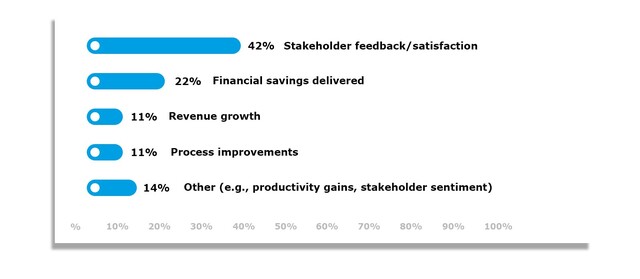
In our latest Boyden poll, we asked interim executives how they evaluate return on investment (ROI) in their assignments. The results showcased a remarkable diversity of approaches:
These findings reveal that while financial and operational outcomes matter, many interims see qualitative measures—especially stakeholder satisfaction—as the most meaningful indicators of success.
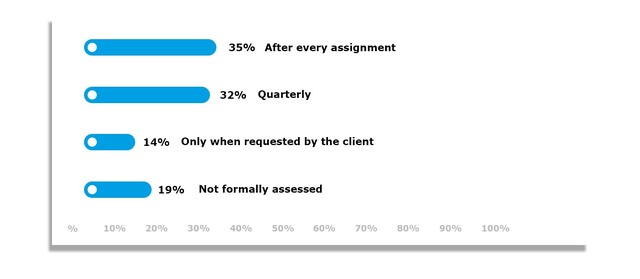
When asked how often ROI is formally assessed, responses varied:
This range of practices reflects the reality: measuring ROI can be complex, and there is no single “right” way to do it. If regular ROI measurement isn’t yet a habit for you, you are far from alone. Yet, as the market grows more competitive, those able to articulate their value can secure a distinct advantage.
The Challenges—and Opportunities—of Measuring Impact
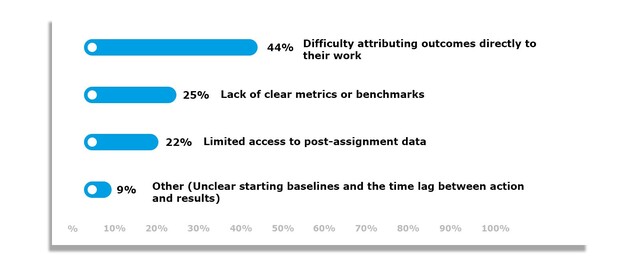
Interims candidly shared the most significant hurdles they encounter in measuring ROI:
Despite these challenges, the interim community is united in its desire to demonstrate the breadth of value it creates. The solution, many agree, lies in clarity and collaboration from the outset of each engagement.
Setting Yourself Up for Success: Practical Steps
Drawing from the experiences shared by interims in our poll, and from our experience as ISP’s several best practices stand out for those seeking to measure—and maximise—their ROI:
- Define Success Early
- Agree with your client on what “good” looks like before the assignment begins.
- Set specific, measurable outcomes and clarify what improvements are expected.
- Establish a Clear Baseline
- Understand the current state—financially, operationally, and culturally.
- Gather relevant data and identify blockers to progress.
- Align Stakeholders
- Identify key decision-makers and ensure their expectations are clear.
- Check for board-level support and clarify why external expertise is needed.
- Secure Access to Data and Authority
- Confirm what KPIs and measurement tools are available.
- Ensure you have the access and authority required to deliver results.
- Prepare for Change
- Discuss what happens if objectives shift mid-assignment.
- Set expectations for communication and scope management.
Why It Matters
As ISP’s we try and gather as much information as possible to ensure we set our interims up for success, however the reality is, when you appoint a dedicated specialist resource to resolve a challenge or move the dial, they often unearth new information. It is critical therefore that in the first 1-4 weeks of the assignment, the client’s expectations are managed as new information becomes available.
Regularly measuring and communicating your ROI isn’t just a box to tick—it’s a way to stand out in a crowded market. Clients are ever more interested in interims who can demonstrate tangible, lasting impact. By embracing ROI measurement, you can not only strengthen your client relationships but also build a powerful track record for future assignments.
Looking Ahead
As we move into 2026, the opportunity for interims is clear: those who turn volatility into value—and prove it—will be best placed for ongoing success. At Boyden, we are committed to supporting interim leaders in this journey, helping you set clear foundations, measure your impact, and deliver sustainable results.
For more insights and support on maximising your impact as an interim executive, reach out to the Boyden Interim team.