
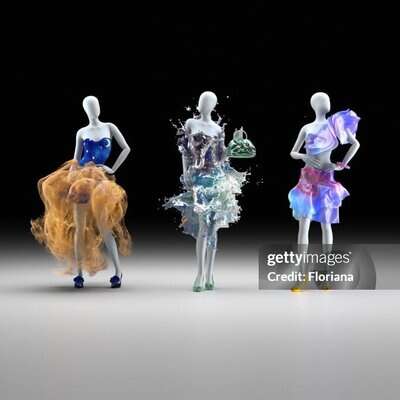
Explore how artificial intelligence is transforming the fashion and luxury industry, from generative design and personalized shopping to compliance with the EU AI Act and Italian AI Law. Learn about key applications, legal challenges, and strategies for responsible AI adoption.
3. The role of Italian Law No. 132/2025 on Artificial Intelligence
Alongside the European framework, the national regulation has now been introduced. Law No. 132/2025 entered into force on 10 October 2025. Building on the AI Act, it sets out general principles driving the development and responsible use of AI in compliance with constitutional rights and freedoms, and delegates the Government to adopt legislative decrees to align national legislation with the AI Act.
In addition to general principles (including transparency, proportionality, security, data protection, non-discrimination, confidentiality and accuracy), the law addresses critical sectoral applications, including national security and defence, healthcare, scientific research, labour, public administration and judicial services.
In employment contexts, employers must inform workers about the use of AI systems in recruitment, task allocation, performance evaluation and surveillance, ensuring that AI is used to improve working conditions, protect workers’ physical and mental health and enhance productivity while respecting fundamental rights.
With regard to minors, the law requires parental consent for access to AI technologies and the processing of personal data for individuals under 14 years of age. Minors over 14 may provide consent, provided that information on AI data processing is clear and accessible.
Supervisory powers are assigned to two authorities:
• AgID (Agency for Digital Italy), responsible for promoting innovation and overseeing conformity assessment bodies.
• ACN (National Cybersecurity Agency), responsible for supervising security and resilience in AI systems, including sanctioning powers.
Both authorities are also tasked with promoting AI regulatory sandboxes.
Of particular relevance for fashion companies is Article 25, concerning copyright of works generated with the assistance of AI. It amends Law No. 633/1941, confirming that works created using AI tools are protected only if they are the result of human intellectual creativity.