Introduction
In a relatively volatile and risk-free market, there appears to be a shift towards requiring the same level of experience within a smaller pay packet. As such, we wanted to explore what the interim management community felt about fractional roles and whether it would be something they would be interested in.
Fractional roles involve hiring professionals on a part-time or fractional basis to fulfill specific functions or responsibilities within an organisation. These roles are typically not full-time and are often project-based or focused on a particular area of expertise.
The potential benefits of fractional roles can include providing a more cost-effective route than hiring full-time employees with benefits, having access to specialised skills where organisations can tap into the expertise of professionals and flexibility based on changing business needs.
Although there are numerous advantages to fractional roles, we should not ignore the potential negatives compared with full time, interim management positions. Highly experienced professionals willing to work on a fractional basis may have other clients therefore the option to call upon expertise is limited to set days. Additionally, executives may not integrate seamlessly into the company's culture or processes since they work part-time or remotely. This can hinder effective communication and collaboration with the existing team.
Poll answers
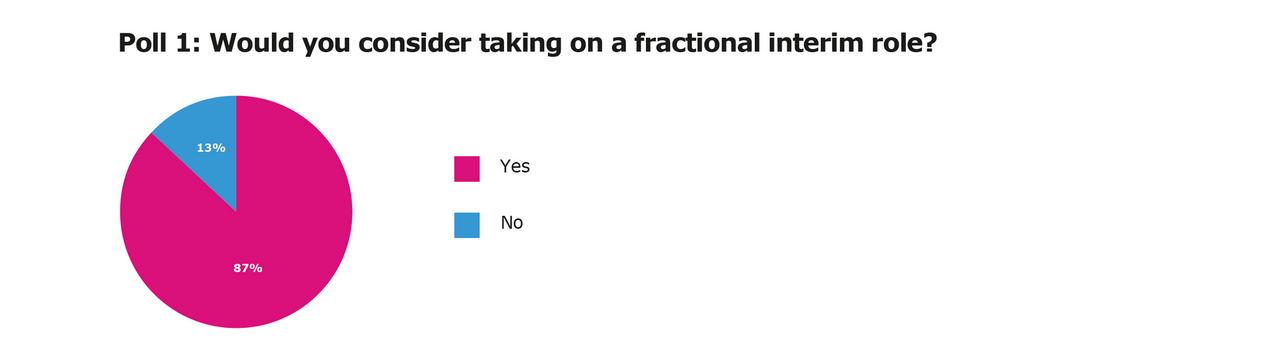
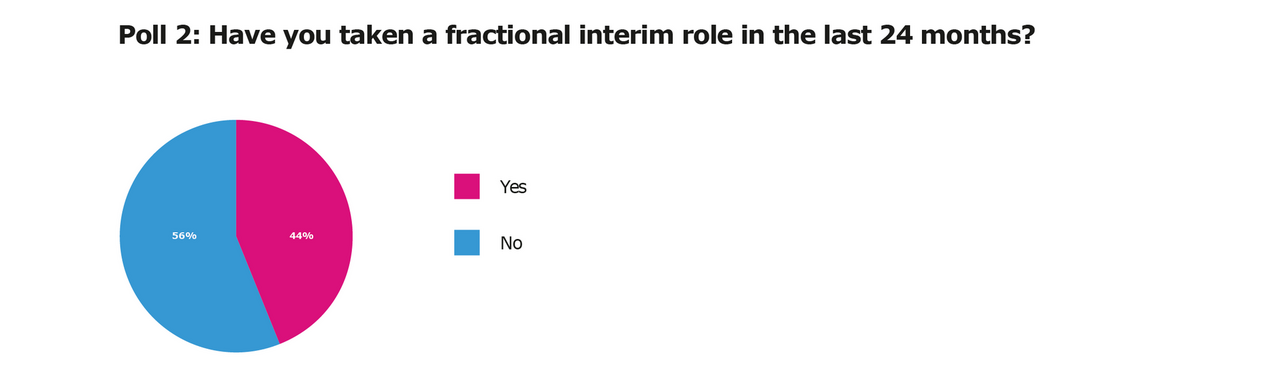
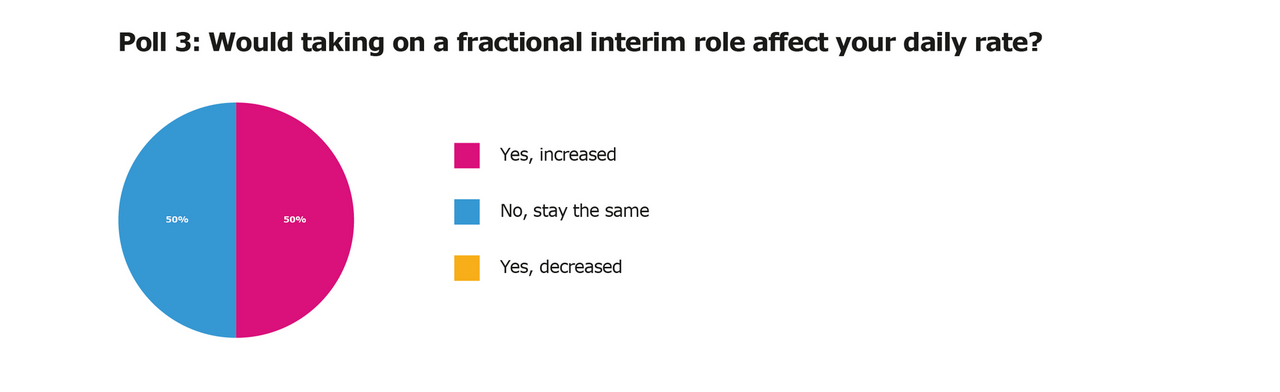
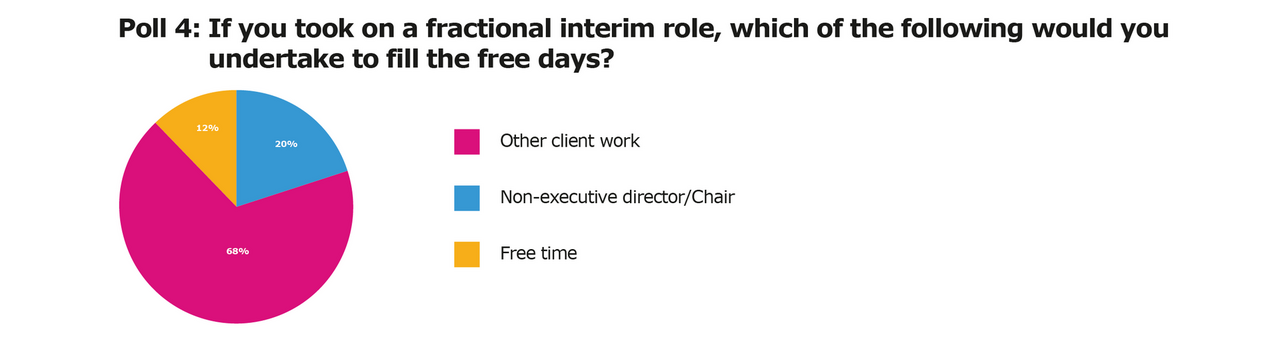
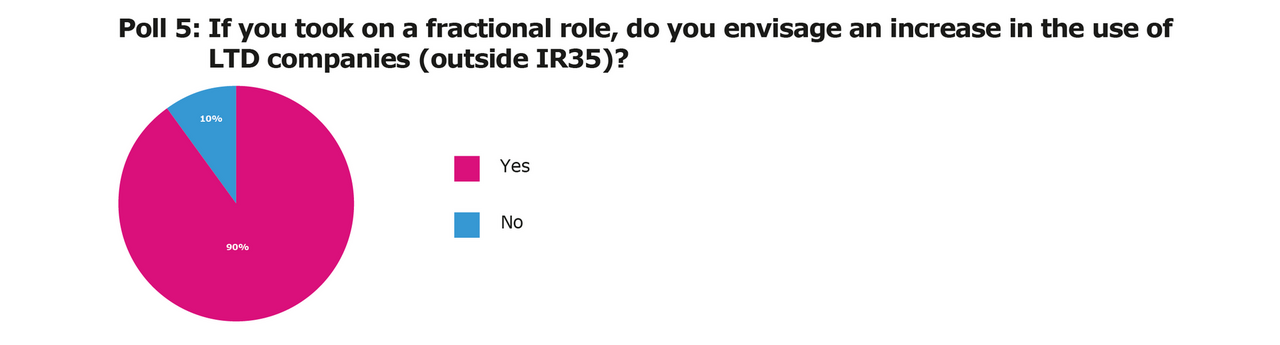
As is traditional on the Boyden Brief, we asked our interim management community a series of poll questions on the topic of fractional roles which provided invaluable insight: