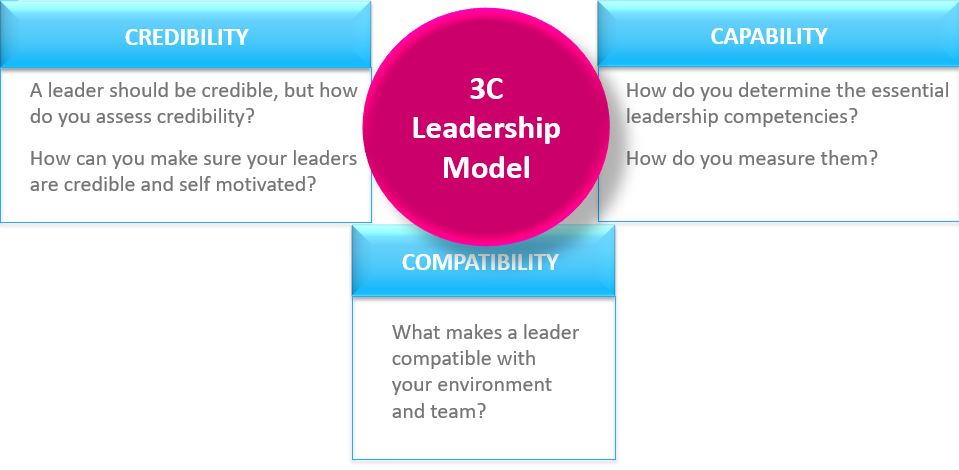
Compatibility
The ability to integrate an existing system of people, values and procedures, maintaining or improving the system overall performance.
Compatibility is probably the most important and the most underrated among the 3Cs.
The most important because you can’t train for it or develop it, the most underrated because often we are victims of the Credibility bias (“they have an excellent CV, must be good) or the Capability bias (“they have an excellent track record, so they will deliver, surely”).
Leaders’ performance is like investment trends, where the past track record is no indication of the future performance, it is all about choices made in a context of limited information, with a lot of uncertainty. In addition, leaders might perform well or less well in different environments and situations.
In order to evaluate if a leader is compatible with the organisation and the overall environment, including external stakeholders that will have an impact on their performance, we need to have a clear idea of: What values do we have in our organisation? What do we stand for? What wouldn’t we tolerate? What behaviours should the leader inspire in our people?
During my career I have tested different tools to answer the questions above and, so far, I think the best I have found is the Marshall Goldsmith Authentic Leadership Model (“ALM”). ALM allows the leader to clearly articulate, in their own words, detailing what is success, how to manage people, change, technology and how to communicate with different stakeholders.
It is an excellent tool that helps the organisation in understanding what leadership model is needed for success and the leader to understand what kind of leader they want to be.
Using the ALM, the job of the executive search professional is easier, because there is a benchmark and there are themes that can be further explored and developed with all candidates, maintaining a framework that ensures consistency and alignment with what the client needs.