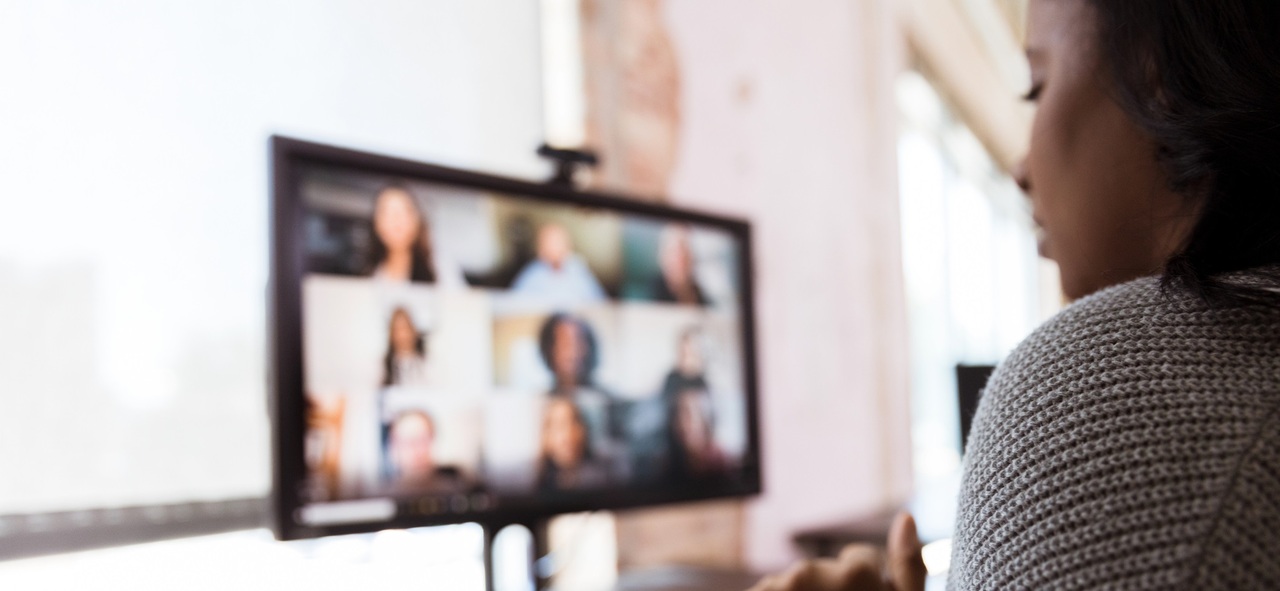
Early in 2020, no one could have imagined that in just a few months, our lives and work would be upended. We left our offices, switched to virtual meetings, and established new modes of productivity and leadership seemingly overnight.
With the easing of restrictions, organizations must now decide how to optimize the new work paradigm—starting with the foundational question of whether to stay virtual, adopt a hybrid model, or bring employees back full time. Uncertainty seems to be the prevailing sentiment of the moment. In a recent PwC survey of executives in the U.S., nearly one-third described their approach to post-pandemic remote work as “going with the flow.”
Remote work gives employees more flexibility, empowering them to manage their own schedules and improve their work-life balance. But it can also have detrimental side effects. A 2021 study from Microsoft, among others, revealed that remote work can erode communication, culture and collaboration, in turn undermining employee relationships, productivity and innovation.
Being social animals, we need connection and interaction. As behavioral scientist Jon Levy notes in You’re Invited: The Art and Science of Cultivating Influence, “The greatest punishment we give people in society is either solitary confinement or banishment from the group.” The adverse psychological consequences of social isolation are well documented.