
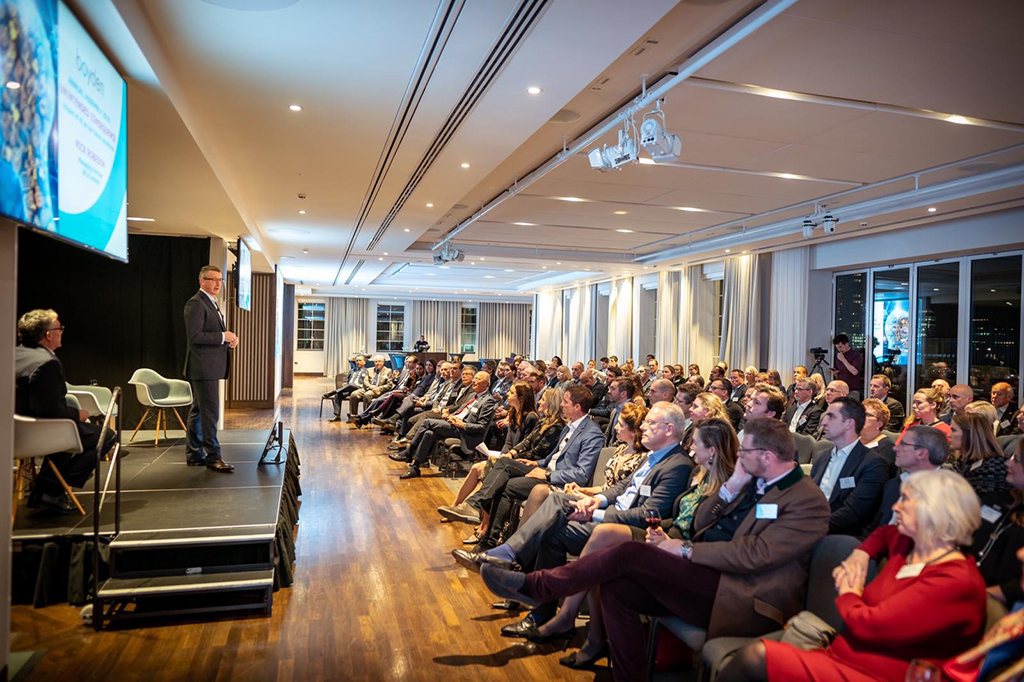
What did we learn? These were some of the key takeaways from the night:
- Ensuring that the correct data is applied.They reassured us by stressing the importance of relationships in a world driven by data, and how we must help leaders to avoid the ‘data trap’ of using the wrong data and invalidating their processes.
- We must know what our algorithm is doing! We heard about the importance of language and the development of a new lexicon, as AI companies ‘atomise’ jobs in a non-linear world impacted by multiple change elements.
- Agile change models replace mass roll-outs. At a corporate level, international roll-outs for change are over: transitioning workforces is better achieved in carefully chosen markets and pilots enabling further learning in transformation.
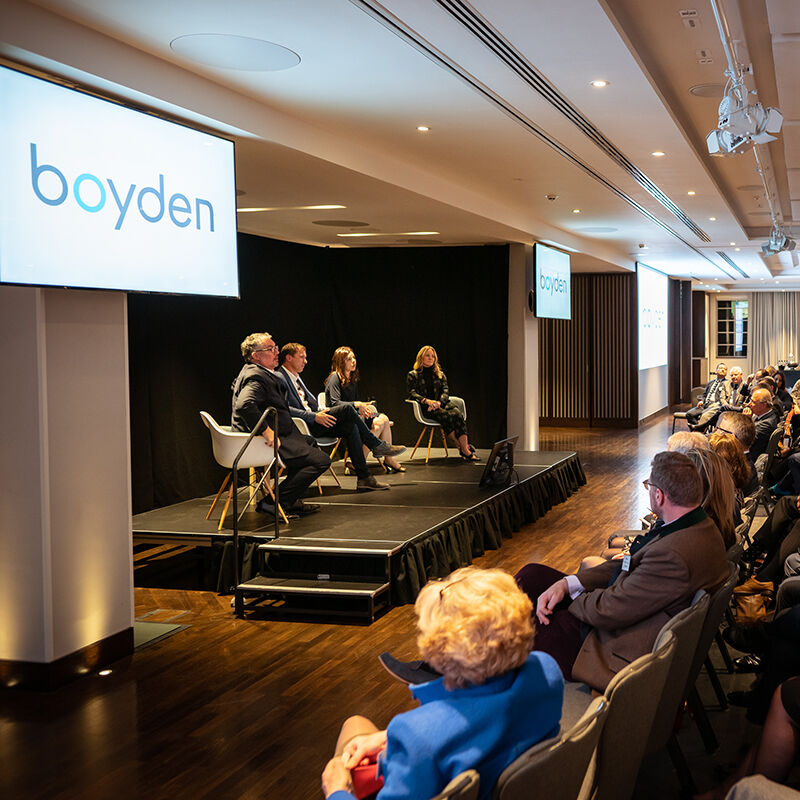
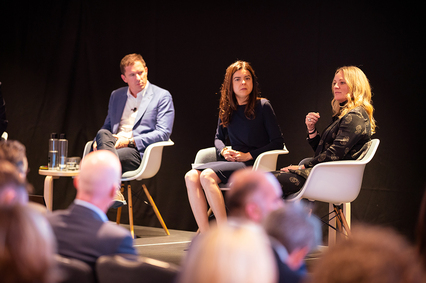
- Combinations of data are key. Our panel demonstrated the importance of combining complex data gathering with qualitative research and commercial experience.
- AI will help not hinder the workforce. Rather than ushering in a fourth industrial revolution characterised by mass redundancies in an apocalyptic future, AI will support the ‘humanisation of work,’ as new roles and opportunities evolve. Progress is underway, with Governments around the world already taking action to plan new jobs and understand the future of work.
AI will support the ‘humanisation of work,’ as new roles and opportunities evolve.
So, unintended consequences can be positive and negative. The key is to understand what they might be before the algorithm takes over. As we discovered while talking the night away, relationships drive the world, not data.
We must think over the horizon, to 36, even 48 months out, to understand how investment in AI can enhance our future and with the right leadership, enable us to drive our own evolution.