Executive Brief

President & General Manager, British Columbia Rapid Transit Co. Ltd.
TransLink

May 2022

About Metro Vancouver

TransLink’s regional transit system spans across Metro Vancouver’s 21 municipalities, as well as the Tsawwassen First Nation and Electoral Area ‘A’ (the unincorporated areas of the regional district). Below is a brief overview of the area.

Metro Vancouver is located on the shared territories of many Indigenous peoples, including 10 local First Nations: Katzie, Kwantlen, Kwikwetlem, Matsqui, Musqueam, Qayqayt, Semiahmoo, Squamish, Tsawwassen, and Tsleil-Waututh.

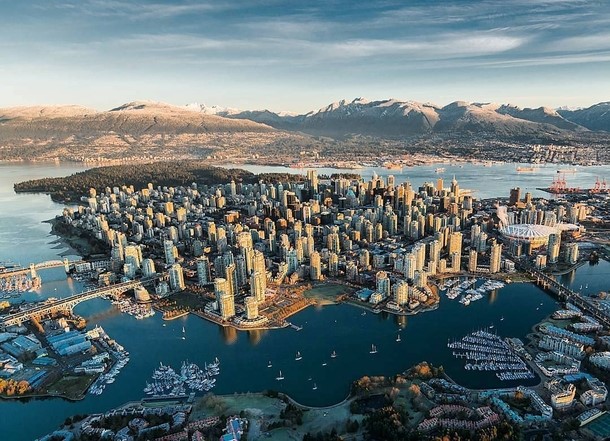
Situated on Canada's Pacific Coast in the province of British Columbia, Metro Vancouver, also known as Greater Vancouver, is one of North America’s most livable regions with breath-taking landscapes, cultural vibrancy, and economic potential. Metro Vancouver is also the largest metropolitan centre in Western Canada, its urban centre being the City of Vancouver, with a total metropolitan area population of approximately 2.7 million.

Having garnered the reputation as one of the most livable cities in the world, the City of Vancouver has a rich and diverse culture that is a combination of the Pacific Northwest outdoor lifestyle, First Nations heritage and Asian influence. Its multiculturism is reflected in character neighbourhoods and a lively food and dining scene. The city also boasts world-class education with top-ranking universities such as the University of British Columbia and Simon Fraser University, which offer advanced programs that are highly regarded throughout the world. Other post-secondary institutions within Metro Vancouver include the British Columbia Institute of Technology, Capilano University, and Kwantlen Polytechnic University.

Immediately east of the City of Vancouver, is the City of Burnaby. It is the third-largest city in British Columbia by population, surpassed only by nearby Surrey and Vancouver. Situated at the geographical centre of Metro Vancouver, Burnaby is further bounded by Burrard Inlet and the Fraser River on the north and south respectively. The city features high density residential areas, major commercial town centres, rapid transit, high technology research and business parks, film production studios such as The Bridge Studios, TV stations such as Global TV and comprehensive industrial estates.
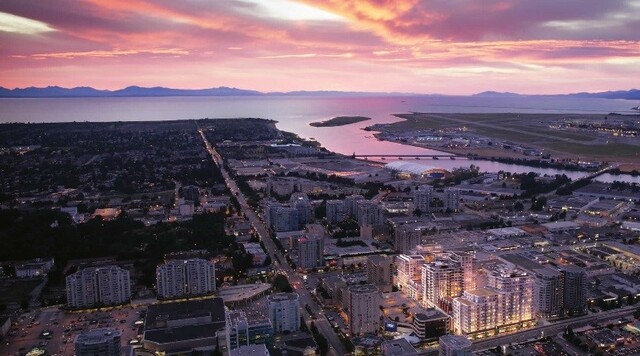
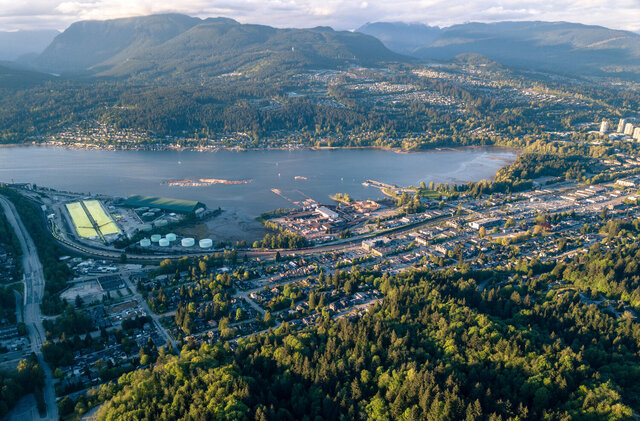
Richmond, south of the City of Vancouver, is a culturally diverse and geographically unique community. The City is 20 minutes from Downtown Vancouver, 25 minutes from the US border and it is the location of Metro Vancouver's international airport. Richmond is a unique island city, comprised of a series of islands nested in the mouth of the Fraser River with the coastal mountain range as a backdrop. Richmond has been experiencing growth and change with remarkable speed, transforming from a rural, local community to an international city with a balance of urban, sub-urban family, and rural areas.

Directly north of the City of Vancouver, the “North Shore” of Vancouver is comprised of three municipalities (The City of North Vancouver, The District of North Vancouver and West Vancouver), has 180,000 residents, and is situated directly across Burrard Inlet from the City of Vancouver. The area of North Vancouver is comprised of the City and the District. Framed by the picturesque North Shore Mountains and a bustling waterfront, North Vancouver offers unprecedented access to nature along with urban comforts. Looking to the mountains north-west over the water of Burrard Inlet, is West Vancouver. Just off the coast of West Vancouver, Bowen Island has long attracted many with its rural charm, forest and shoreline trails. An island community of 3,000 residents, the unique municipality offers numerous parts and a thriving artistic community – all a 20-minute ferry ride from West Vancouver’s Horseshoe Bay terminal.

Adjacent to the North Shore, the Village of Belcarra is a rural residential community of 700 tucked away on the north side of Burrard Inlet at the mouth of Indian Arm. Surrounded by mountains, forests and a majestic deep-water fjord, this well-wooded residential community overlooks the magnificent North Shore mountains and the picturesque waters of Indian Arm.

The Tri-Cities area is to the east and north-east of the City of Vancouver and is made up of three municipalities: Port Moody, Port Coquitlam and Coquitlam. The area brings together Port Moody's railway heritage, Coquitlam's golf and wilderness recreation, and Port Coquitlam's revitalized city centre and riverside trails, providing plenty of interesting options for residents and visitors alike to experience. Port Moody – City of the Arts – is located at the head of Burrard Inlet and at the foot of Eagle Mountain. A vibrant city of 34,000, Port Moody is just steps from seaside parks, mountain trails and lakes. Nearby, just north of Port Moody, the Village of Anmore is a thriving semi-rural residential community of 1,400.

Getting out and into nature is easy in Coquitlam, with over 70 local parks. Coquitlam also has a thriving arts and culture scene, and the past is evident with the preservation of a number of historic homes in the area. Port Coquitlam, known as "the city of rivers and mountains" is a thriving community between the Pitt and Coquitlam Rivers. A revitalized downtown maintains a village-like atmosphere; anchored by its original 1913 city hall, the plaza offers an interesting range of shops, restaurants, cafes and craft stores.

South of Burnaby and Coquitlam, at the very epicenter of the Lower Mainland, the City of New Westminster is a historic and bucolic city of approximately 70,000 residents. It is renowned throughout the region for the quality, creativity and innovation of its services to residents and businesses, its intelligent community status, its award winning open spaces, its recent waterfront transformation, and its emerging cultural and heritage attractions.

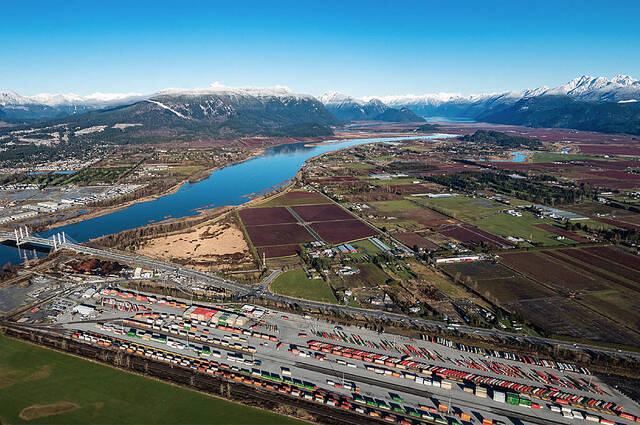
Pitt Meadows is located in the Lower Fraser Valley, east of Vancouver. It is a primarily agricultural area, situated on the north side of the Fraser River at its junction with the Pitt River. Primarily an agricultural area, it’s a City where you’ll find a unique blend of urban-appeal and rural-charm. Maple Ridge lies on the north shore of the Fraser River, 45 km east of the City of Vancouver. Nestled against the Coast Mountains, it is a progressive community well-known for its beautiful countryside and spectacular scenery.

Spread out between the south bank of the Fraser River and the Canada/US border crossing, Surrey is two-and-a-half times the geographic area of Vancouver and is BC’s second most populous city. A fast-growing municipality in BC, consisting of the communities of Whalley, Fleetwood, Guildford, Newton, Cloverdale, and South Surrey, Surrey boasts a diverse array of cultures and truly has an international flavour.

The City of Langley and the Township of Langley, two adjacent yet politically separate entities, lie east of Surrey and south of Maple Ridge. The City of Langley’s regional town centre is one of the most active industrial and service commercial land bases in the Lower Mainland. The City of Langley is well known for its distinctive retail offerings and eateries, while the surrounding area has become a magnet for high-end luxury brands and big-box retail. The Township of Langley is a place where the rich heritage of the past is combined with a vibrant vision for the future. The Township’s rural beauty is complemented by an energetic urban atmosphere that offers a unique mix of urban and rural lifestyles in an easily accessible, central location.

Delta is located 27 kilometres south of Vancouver and 22 kilometres north of the Canada/US border at Peace Arch, Surrey. It is bordered by water on three sides: The Fraser River to the north, the Georgia Strait to the west and Boundary Bay to the south. Delta's flat, fertile land has made it one of the most important agricultural areas in Metro Vancouver. 

Tsawwassen First Nation is the first First Nation to join the Metro Vancouver regional district. The Nation’s traditional territory is bordered on the northeast by the watersheds that feed into Pitt Lake, down the Pitt River to the city of Pitt Meadows, where they empty into the Fraser River. The Nation is 491 Members as of their last count (March 2019), with nearly half living on Tsawwassen Lands.

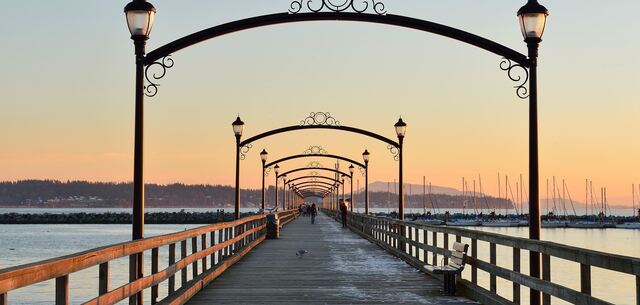
Nearby, a 60-minute drive south from downtown Vancouver, close to the U.S./Canada border, White Rock is a seaside community of 19,400, clustered around an 8-kilometre sandy beach. Commercial meets residential along the White Rock’s waterfront as well as in the Town Centre where there are number of apartment buildings with retail stores on the ground level. 

Metro Vancouver is considered one of the most prosperous economies in Canada. Important industries include international trade, finance, natural resources, technology, film and tourism. Home to Canada’s largest port, Vancouver is the gateway for pan-pacific trade with several multinationals headquartered in the city, particularly those in the mining and forestry sectors.

Comprised of many diverse communities, Metro Vancouver is truly a unique and rewarding place to live and build a career. To learn more about Metro Vancouver’s Municipalities, visit Metro Vancouver’s video gallery, here.

This website uses cookies to ensure you get the best experience on our website. Learn more